
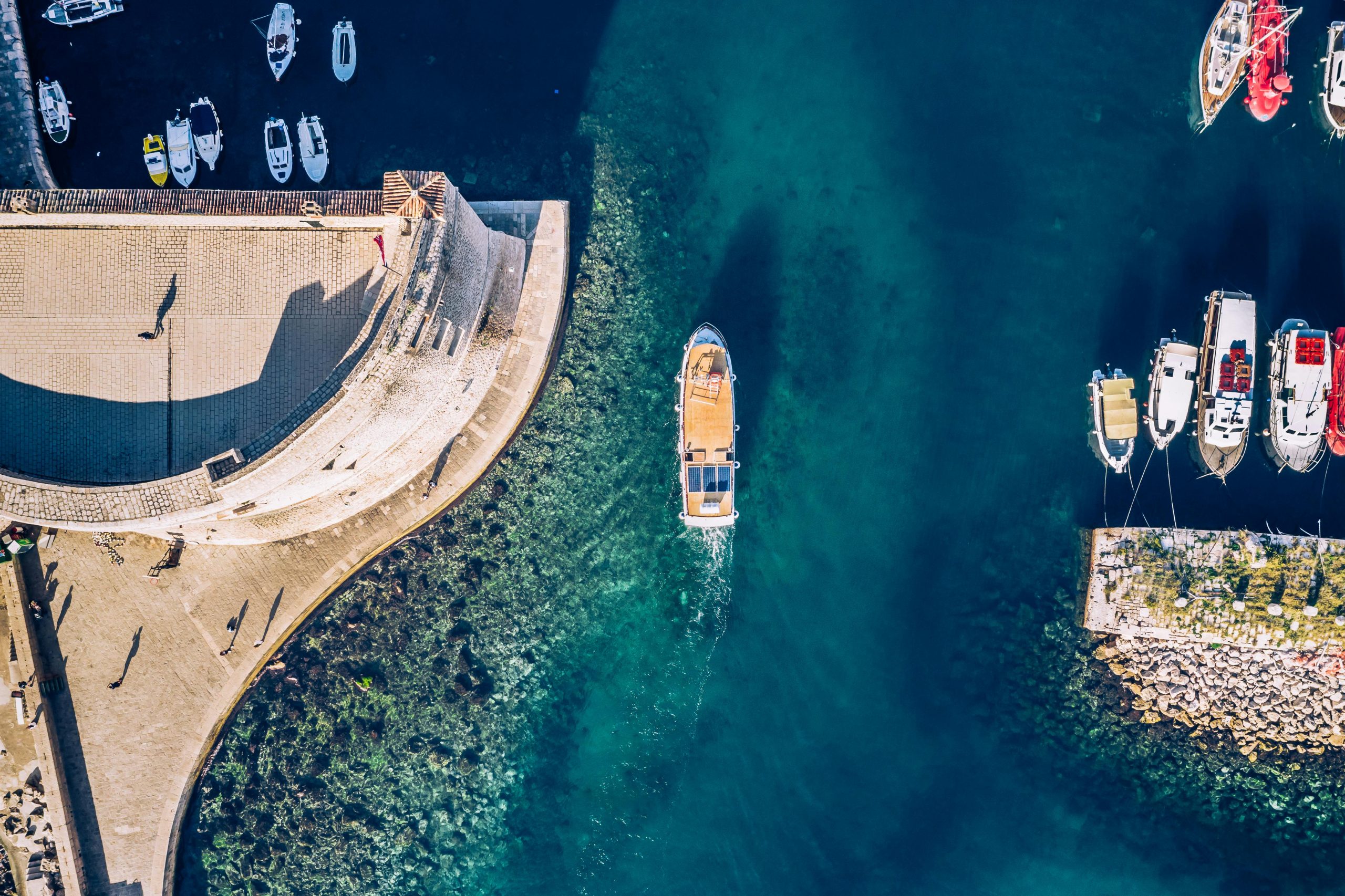
Dubrovnik on a budget
Walking through the limestone streets of Dubrovnik for the first time can feel a little intimidating if you’re trying to travel on a reasonable budget. The cafés inside the Old Town, the famous city walls and the Adriatic views all come with prices that quickly remind you this is one of Europe’s most sought-after destinations.
But expensive doesn’t automatically mean out of reach. Dubrovnik becomes much easier to manage once you know a few local habits. A couple of small choices, including where you eat, where you stay and which attractions are actually worth paying for, can make a big difference to your budget.
If you plan your days carefully and step just slightly outside the most touristy spots, you’ll quickly see that experiencing Dubrovnik doesn’t have to drain your travel fund.
Sightseeing of Dubrovnik on a budget
For most visitors, the first thing on the Dubrovnik checklist is walking the famous Walls of Dubrovnik. The panoramic path along the medieval fortifications offers some of the best views of the Old City and the Adriatic Sea.
The ticket for the walls is currently around €40 (always check the latest prices), which is usually the moment people realize sightseeing here can add up quickly. What many first-time visitors don’t realize is that the Dubrovnik Pass costs roughly the same for its one-day version.
Because the pass already includes entry to the walls, buying it instead of the standalone ticket usually gives you better value. Once activated, it also provides 24 hours of access to several museums as well as free use of the city buses. Even visiting one or two additional attractions during the day can make the pass worthwhile.
Another experience many travelers assume requires a ticket is the panoramic view from Mount Srđ. The cable car ride above the city costs roughly €27–€30 for a round trip, but there is also a free alternative.
A hiking trail beginning near Jadranska cesta winds up the hillside and reaches the same viewpoint in about an hour. The climb is steep in places, but the panorama at the top is exactly the same one people pay to see from the cable car.
For sunset, many locals prefer Park Orsula, a small cliffside park overlooking the Old Town. It’s quieter than most viewpoints inside the city walls and offers a spectacular perspective of Dubrovnik as the sun disappears behind the islands.
Eat well without paying Old Town prices
Food is another area where Dubrovnik can surprise visitors, especially if every meal happens inside the Old Town. Restaurants there are beautiful, but they’re also priced with short-term visitors in mind.
A more local routine revolves around marenda, the traditional worker’s lunch served in the late morning and early afternoon. During this time many restaurants offer a daily set menu, usually including soup or salad and a main dish, at noticeably lower prices than the evening menu.
Two well-known places for marenda are Konoba Tabak and Glorijet, both located in the harbor district of Gruž. A full meal here typically costs between €12 and €15, which is often less than a single main dish inside the Old Town.
Breakfast in Dubrovnik is usually simpler than many visitors expect. Instead of sitting down for a long morning meal, locals often stop by bakeries such as Mlinar or grab pastries from supermarkets like Pemo. A warm burek or sweet roll with coffee usually costs under €3 and works perfectly as a quick start to the day.
For dinner, it’s often worth leaving the Old Town behind. In Lapad, where many residents live, a large pizza in a neighborhood pizzeria often costs less than a single pasta dish inside the historic center.
Choose the right place to stay in Dubrovnik
Accommodation is usually the biggest expense during a Dubrovnik visit, but the neighborhood you choose can significantly affect the price you pay.
Apartments inside the Old Town or in areas such as Ploče tend to have the highest nightly rates. Staying slightly outside the historic center, especially in Gruž or Župa Dubrovačka, can reduce accommodation costs by as much as forty percent while still keeping you connected to the city by bus.
There is also one practical detail that often surprises first-time visitors: Dubrovnik is built on steep hillsides. Some apartments with beautiful views also require climbing hundreds of steps to reach them. Travelers sometimes discover too late that their accommodation involves climbing 300 or even 400 stairs between the front door and the nearest road. So be sure to check the location carefully on a map before booking – that can save you both time and unexpected taxi rides.
Get around Dubrovnik affordably
The local bus network is the easiest way to move around Dubrovnik. A single ticket purchased onboard usually costs around €2 to €2.50, while tickets bought in advance at kiosks are slightly cheaper.
Taxis and ride-hailing services are convenient, but they can quickly add up during the busy summer months when traffic around the Old Town becomes slow and crowded.
The trip from the airport is another moment where visitors often spend more than necessary. Taxi or ride-share rides to the city usually cost €30-€40, while the airport shuttle bus runs regularly for about €10. They stop both at the main bus station in Gruž and near the entrance to the Old Town.
Enjoy the Adriatic without expensive beach clubs
Some of the best experiences in Dubrovnik don’t require paying for attractions at all. The Adriatic coastline around the city offers several public swimming spots that locals use every day.
Two of the most popular are Danče Beach and nearby Šulić Beach, small rocky coves located just outside the Old Town walls. Unlike private beach clubs where sunbeds can cost €40 or more per day, these beaches offer the same clear water with a much more relaxed atmosphere.
Another simple local habit is refilling water bottles at Onofrio’s Large Fountain, located near the main entrance to the Old Town. The fountain is connected to a mountain spring system built in the fifteenth century, and the water is perfectly safe to drink. Once you know this, buying bottled water around the Old City quickly becomes unnecessary.
Time your visit wisely
When you visit Dubrovnik can make a big difference to your overall budget. July and August bring the largest crowds and the highest accommodation prices as cruise ships and summer travelers arrive at the same time.
Travelers who visit in May, June, September or early October usually find a very different atmosphere. The weather is still warm enough for swimming, restaurants and cafés remain lively and accommodation prices are often noticeably lower than during the peak of the summer season.
For many visitors, this shoulder season offers the best balance between good weather, manageable crowds and more reasonable prices.
A quick look at everyday prices
| Item | Old Town | Outside Old Town |
|---|---|---|
| Coffee | €3.5-€5 | €2-€2.50 |
| Pasta dish | €18-€22 | €10-€14 |
| Beer | €6-€7 | €4 |
| Worker’s lunch (marenda) | €20+ | €12-€15 |
Is Dubrovnik on a budget even possible?
Dubrovnik will probably never be the cheapest destination on the Adriatic, and it doesn’t really try to be. What it offers instead is a rare combination of historic architecture, dramatic coastal scenery and a Mediterranean atmosphere that few places can match.
With that in mind, approach the city the way locals do: walk whenever possible, eat outside the busiest streets and take advantage of the places that don’t charge an entrance fee. Once you settle into that rhythm, Dubrovnik stops feeling impossibly expensive and starts feeling surprisingly manageable.
Photography: Pexels
Get in touch:
 Whatsapp
 Send sms
 Call us
Explore Our Tours:

From Sea to Plate: Private Oyster Farm Experience from Dubrovnik

Plitvice Lakes, National Park, Day Trip from Dubrovnik

Mostar & Kravica Waterfalls Private Day Trip from Dubrovnik

Montenegro day trip from Dubrovnik

Private Peljesac Wine Tasting Tour from Dubrovnik
