

Digital nomads in Dubrovnik
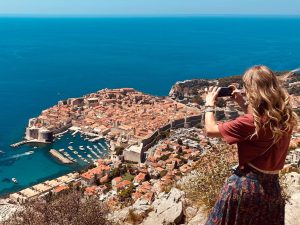
Working on your laptop while looking at the magnificent Dubrovnik Old City Walls and listening to the sea splashing nearby? Yes, it’s possible, even if you’re not a Dubrovnik local. Many digital nomads keep choosing this Croatian city as their temporary base for remote work.
If you’re considering spending a few weeks or months living as a digital nomad in Dubrovnik, keep reading to find out what options it will offer, how much money you’ll be likely to spend and how to make the most of this experience.
What can digital nomads expect from Dubrovnik?
The first questions to pop your mind at this point are probably where to find a desk that isn’t a kitchen table, which neighborhood won’t drain your savings by week two and how to handle a month’s worth of laundry without a headache.
Dubrovnik isn’t the cheapest base in Croatia, but if you know where the locals eat and where the community gathers, it’s one of the most rewarding places to live and work.
For many, a reliable workspace is the first priority. While working from a seaside terrace sounds poetic, the reality of glare and spotty WiFi usually leads nomads toward professional hubs.
Desk & More in the Gruž district has become a local favorite for its laid-back but focused atmosphere. Located near the ferry port, it offers flexible hotdesks and dedicated workstations with 27” monitors—perfect if you’ve traveled light but need a real setup. They even have a “fruit and snacks” policy that often results in free treats for the community.
If you need 24/7 access to accommodate different time zones, The Works is your best bet. It’s a trendy space with ergonomic standing desks and even a gaming station for when you need a break. For those who prefer a more historic setting, the TUP building (a former carbon factory) now houses a free-to-use coworking space in Room 123, open from 6:00 am to 8:00 pm. You just pick up the key from the porter and settle in among other creatives and startups.
While the coworking spaces are great, the coffee culture is the real office for many locals. In Dubrovnik, it is generally okay to work from a cafe for an hour or two, but some are more laptop-friendly (like Cognito Coffee in Gruž), while in others you might get “the look” for pulling out a MacBook.
As for the mobile data, you should definitely pick up a local “Tourist SIM” (Hrvatski Telekom or A1) which offers unlimited data for a fixed weekly or monthly price, usually available at any Tiskara kiosk. This is the most reliable backup for video calls if your apartment Wi-Fi fluctuates during peak hours.
The Digital Nomad Permit (2026 Update)
If you’re a non-EU citizen staying longer than 90 days, you should apply for the Digital Nomad Permit. For 2026, the minimum monthly income requirement has been adjusted to €3,295, or a shown savings of at least €39,540 for a one-year stay.
While the paperwork is manageable, there are two critical details to keep in mind. Firstly, you need specific private health insurance that explicitly meets Croatian requirements for the duration of your stay. Secondly, you cannot re-apply for the permit immediately after it expires. Current regulations require a six-month gap between the expiration of one permit and the start of a new one.
When to plan your stay in Dubrovnik as a digital nomad?
While you can expect the biggest crowds and highest prices during the peak season (July – August), the rent is at its absolute lowest during the winter (November–March).It’s great for deep work, but it can feel lonely if you aren’t prepared for the silence. Also, in this period any restaurants and shops in the Old City and Lapad close entirely.
Our advice would be to plan your stay between April and June or between September and October. This will guarantee you the perfect balance of warm weather, lower rents, less crowd than in the peak of the summer season and a community that has time to sit down for a coffee.
Networking and community for digital nomads in Dubrovnik
Networking in Dubrovnik is based on casual, recurring meetups. The “Digital Nomads Dubrovnik” Facebook page is the central hub for announcements. You’ll find everything from “Wednesdays” social drinks to workshops on remote work best practices.
If you’re looking for an international crowd, head to Life According to KAWA or D’Vino Wine Bar. Both are run by expats who have deep roots in the city and are often the “unofficial” ambassadors for newcomers. These spots are great for meeting people who can give you the real scoop on everything from the best local internet providers to which island is hosting a festival on the weekend.
If you would also like to include some work-out routine, check out our article on gym options or take the Lapad Run, a 2.5km car-free running loop around Babin Kuk (starting from Uvala Lapad), the only flat running spot.
Where to stay as a digital nomad in Dubrovnik?
Where you stay will define your daily budget and your stress levels. Most nomads quickly realize that the Old Town is better for a visit than a month-long stay. For a more practical life, Gruž is excellent because it’s the city’s transport and grocery hub. You’re steps away from the fresh food market and the main supermarkets like Konzum and Tommy.
Lapad is the top choice for those who want a “neighborhood” feel. It’s flatter than most parts of the city, which means it’s great for walking and it’s packed with seaside promenades and green spaces. If you want something quieter and more residential, check out properties in Babin Kuk, which offer a slower pace with plenty of beaches. Keep in mind, though, that you’ll need to rely more on the local bus to get into the center.
One thing that usually surprises visitors when they arrive; many private accommodations include climbing many stairs. If you book an apartment in, e.g., Ploče or Vrbica districts because it has a “great view,” you might have to climb 300+ stairs every time you buy groceries.
Expenses and budget-friendly living
Dubrovnik is a premium destination, and your budget will reflect that. In 2026, a typical monthly cost for a single nomad ranges from €1,800 to €2,500. Rent remains the biggest variable; a one-bedroom apartment outside the peak summer months typically starts around €850, but prices climb significantly in July and August.
To keep costs down, eat like a local by looking for “marenda” menus. These are daily fixed-price lunches (usually between €10 and €15) served in local taverns, such as Konoba Tabak or Glorijet. For groceries, skip the small “market” shops in tourist areas and head to the larger supermarkets in Gruž or Lapad. Don’t forget the Gruž market, which is the best place for seasonal fruit, vegetables, and fresh fish at local prices.
To really settle in, consider a Dubrovnik Pass for your first week. At €60 for a 7-day pass, it’s a great value for sightseeing (it covers the City Walls and museums) and it includes free bus transport for the duration of the pass.
Laundry and transport for digital nomads in Dubrovnik
Unlike some other countries, most apartments here include a washing machine, but if yours doesn’t, self-service laundromats are located in Gruž and near the entrance to the Old Town. A standard wash is about €7, but be sure to check out all the information in our article on doing laundry in Dubrovnik to find the best option for you.
For getting around, the local bus system is your best friend. A single ticket is roughly €2, but a monthly pass is far more economical if you’re staying for a while. For airport runs or late nights, you can use taxi or order a Bolt via app.
Is Dubrovnik a good option for digital nomads?
If you’re considering becoming a digital nomad in Dubrovnik, you should be prepared to trade the fast pace of a capital city for the “pomalo” (take it easy) lifestyle of the Adriatic. Since you’re reading this article, we can only assume this is exactly what you’re looking for. But, as with most of things in life, timing is everything. You’ll have a completely different experience depending on the part of the year you decide to come to Dubrovnik. So, choose wisely and avoid peak season!
What else? Embrace the local rhythm. Start your day with a swim, get your deep work done in Gruž and spend your evenings exploring the islands. It’s a city you’ll want to come back to again if you stay long enough to see it as a home rather than just a backdrop for photos.
Photography: Pexels
Get in touch:
 Whatsapp
 Send sms
 Call us
Explore Our Tours:

Plitvice Lakes, National Park, Day Trip from Dubrovnik

Dubrovnik Night Drive: Lights of the Adriatic

Taste of Bosnia: Private Trebinje Gastro & Wine Tour

Dubrovnik Scenic Sunset Tour with a Premium Wine Experience
Dubrovnik Panorama Tour: Small-Group Sightseeing Drive
